Beef Tenderloin with Fig Glaze
Highlighted under: Cozy Planning
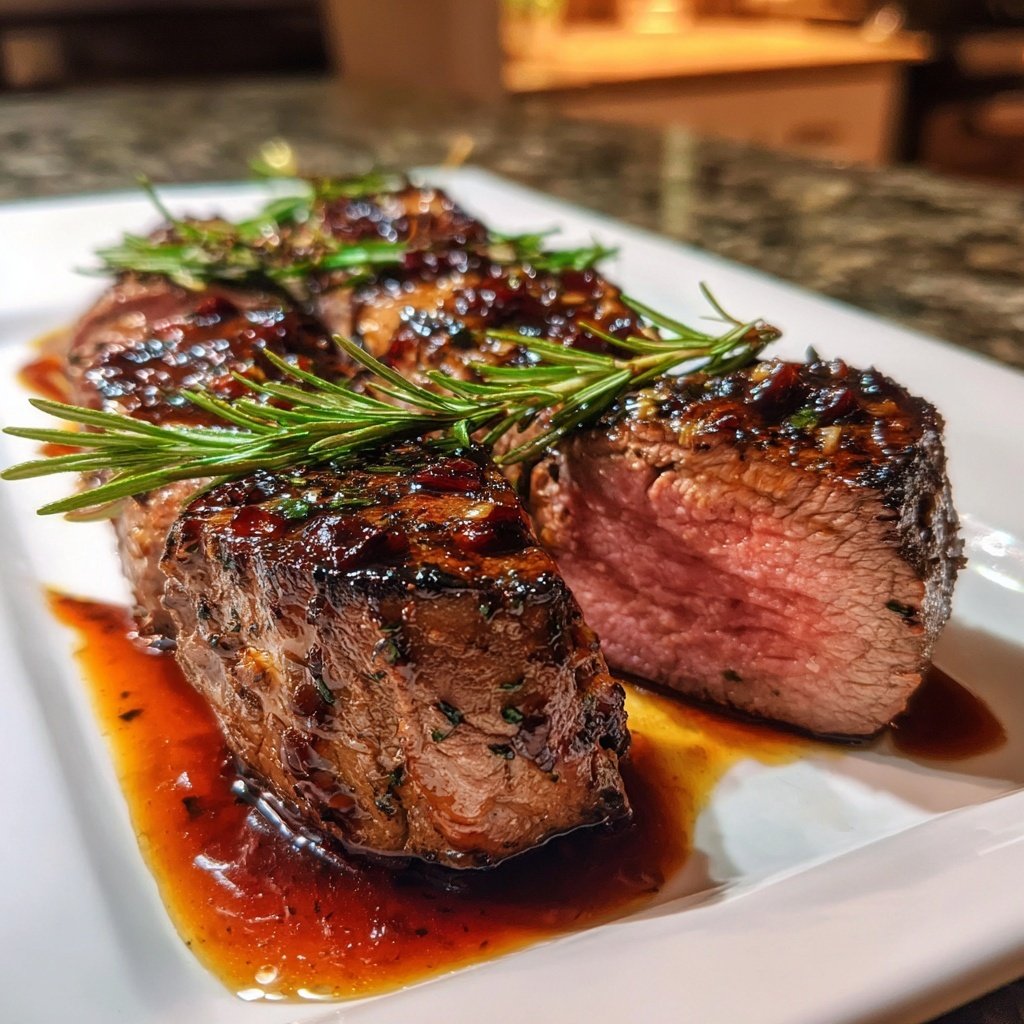
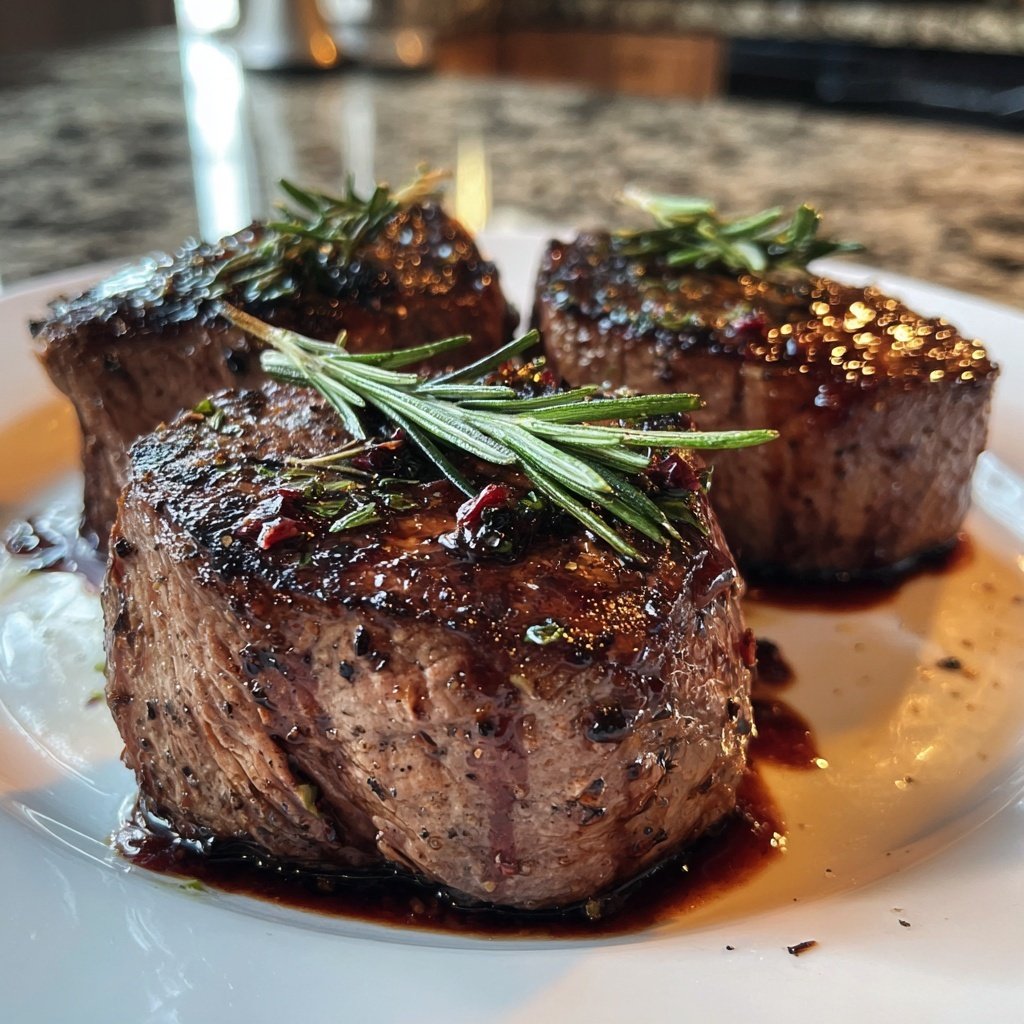
When I first tried making Beef Tenderloin with Fig Glaze, I was amazed by how beautifully the sweet and savory flavors came together. The figs add a delightful complexity that elevates the dish, making it perfect for special occasions or a cozy dinner at home. I love how the rich, tender beef pairs with the luscious glaze, creating a dish that feels refined yet approachable. With a few fresh ingredients and the right technique, this recipe will definitely impress your guests and leave them wanting more.
Preparing this Beef Tenderloin with Fig Glaze immediately transformed our dining experience. The method of searing the beef first creates a beautiful crust while locking in the juices, ensuring each bite is tender and infused with flavor. I remember the first time I added the fig glaze—it not only enhanced the meat but turned the whole kitchen into a fragrant paradise.
As I’ve perfected this recipe, I found that allowing the glaze to reduce just right makes all the difference. The concentrated flavors really make the beef shine, and garnish with fresh herbs for a pop of color and freshness. It has quickly become one of my go-to meals for gatherings, and I can hardly wait to share it with friends!
Why You Will Love This Recipe
- The unexpected sweetness of fig melds deliciously with savory beef.
- Each slice of tenderloin is bursting with flavor and juiciness.
- Easy to prepare, yet impressive enough for any dinner party.
Choosing the Right Beef Tenderloin
Selecting high-quality beef tenderloin is crucial for achieving that melt-in-your-mouth texture. When shopping, look for a cut that has a bright red color and a good amount of marbling. Too much fat can lead to a greasy dish, so aim for a balance where the fat is interspersed within the muscle, which will keep the meat juicy. If possible, use USDA Prime or Choice grades for the best results.
If you're concerned about preparing a larger cut, you can easily scale up this recipe to accommodate more guests. Just ensure that you adjust cooking times accordingly, as a larger piece will require more time in the oven. Using a meat thermometer will help you monitor doneness. For medium-rare, aim for an internal temperature of 135°F.
Mastering the Fig Glaze
The fig glaze is what sets this dish apart, providing a rich, sweet counterbalance to the savory beef. Fresh figs are ideal, but if they aren't in season, dried figs can be a good substitute—just soak them in warm water for about 10-15 minutes to soften them before chopping. This ensures they break down enough to create a smooth glaze.
While simmering the glaze, pay careful attention to its consistency; you want it to coat the back of a spoon and be thick enough to cling to the beef once drizzled. If you find it too thick, a splash of water can help adjust the consistency. Don’t rush the process—allowing the ingredients to meld will enhance the flavors beautifully.
Serving Suggestions and Pairings
This Beef Tenderloin with Fig Glaze pairs wonderfully with side dishes that complement its richness. Consider roasted seasonal vegetables like Brussels sprouts or honey-glazed carrots for a touch of sweetness and color on the plate. A creamy potato or polenta can also balance the dish's flavors, making it a well-rounded meal.
For a wine pairing, a full-bodied red like Cabernet Sauvignon or a rich Merlot will enhance the beef while the fruity notes in the wine echo the fig glaze. Serve the dish with a simple arugula salad dressed in a light vinaigrette to cleanse the palate between bites; this will elevate your dining experience further.
Ingredients
Gather these fresh ingredients before starting the recipe:
For the Beef Tenderloin
- 1.5 pounds beef tenderloin
- Salt and pepper to taste
- 2 tablespoons olive oil
- 2 cloves garlic, minced
- 1 teaspoon fresh rosemary, chopped
For the Fig Glaze
- 1 cup fresh figs, chopped
- 1/2 cup balsamic vinegar
- 1/4 cup honey
- 1 tablespoon Dijon mustard
- 1 tablespoon butter
Make sure to have everything ready for a smooth cooking experience!
Cooking Instructions
Follow these steps for a perfect dish:
Prepare the Beef
Season the beef tenderloin generously with salt and pepper. Heat the olive oil in a skillet over medium-high heat and sear the tenderloin on all sides until browned, about 3-4 minutes per side.
Make the Fig Glaze
In a saucepan, combine the chopped figs, balsamic vinegar, honey, and Dijon mustard. Let it simmer over medium heat for about 10 minutes until it thickens. Stir in the butter until melted.
Finish Cooking
Reduce the heat and add the minced garlic and rosemary to the skillet with the beef. Pour half of the fig glaze over the tenderloin, and then finish cooking in a preheated oven at 400°F for about 10-15 minutes, or until desired doneness.
Serve
Remove from the oven and let rest for 5 minutes. Slice the tenderloin, drizzle with remaining fig glaze, and serve immediately.
Enjoy your homemade Beef Tenderloin with Fig Glaze!
Pro Tips
- For a more intense flavor, let the beef marinate in the olive oil, garlic, and rosemary for at least 30 minutes before searing. Adjust the amount of honey in the glaze based on the sweetness of the figs you use.
Leftovers and Storage
If you happen to have leftovers, slice the beef tenderloin and store it in an airtight container in the refrigerator for up to three days. To reheat, place the slices in a skillet over low heat with a splash of broth or water to keep them moist. Cover the skillet to trap steam, warming for about 5-7 minutes until heated through. Avoid reheating in the microwave, which can lead to dryness and tough texture.
For longer storage, consider freezing the beef and glaze separately. Wrap the beef tightly in plastic wrap, then in aluminum foil or a freezer bag to prevent freezer burn. When you're ready to enjoy it again, thaw in the refrigerator overnight and follow the reheating instructions for best results.
Variations to Consider
Feel free to get creative with the fig glaze! Add a splash of port or red wine during simmering for an extra layer of flavor. Alternatively, incorporating herbs such as thyme or a touch of orange zest can take it to another level—adding a citrusy brightness to balance the sweetness from the figs.
If you're looking for a lighter version of this dish, consider using beef tenderloin alternatives like flank steak or filet mignon, which also cook well and can gain great flavor from the fig glaze. Adjust cooking times slightly, as thinner cuts will cook more quickly than a thicker tenderloin.
Troubleshooting Common Issues
If your glaze isn't thickening as desired, simmer it longer over medium heat, stirring frequently. A common issue is allowing too much moisture to escape, so keep an eye on the pan—it should begin to reduce and become syrupy. If it's still not achieving the right consistency, a cornstarch slurry (mixing cornstarch with a bit of water) added in small amounts can help thicken it quickly.
For the beef, overcooking is a frequent challenge. Using a meat thermometer is the best way to prevent this. If you find the beef has cooked past your preferred doneness, don’t despair! Slice it thinly against the grain—this will help retain moisture and ensure a better eating experience even if it's not as rare as you’d like.
Questions About Recipes
→ Can I use dried figs instead of fresh?
Yes, dried figs will work, but you may need to adjust the amount of honey since they are typically sweeter.
→ How do I know when the tenderloin is done?
Use a meat thermometer; aim for 130°F for medium-rare, 140°F for medium.
→ What should I serve with this dish?
Roasted vegetables, mashed potatoes, or a simple salad pair beautifully with the beef.
→ Can I prepare the glaze in advance?
Absolutely! You can prepare the fig glaze a day ahead and store it in the refrigerator.
Beef Tenderloin with Fig Glaze
Created by: Blythe Rowland
Recipe Type: Cozy Planning
Skill Level: Intermediate
Final Quantity: 4 servings
What You'll Need
For the Beef Tenderloin
- 1.5 pounds beef tenderloin
- Salt and pepper to taste
- 2 tablespoons olive oil
- 2 cloves garlic, minced
- 1 teaspoon fresh rosemary, chopped
For the Fig Glaze
- 1 cup fresh figs, chopped
- 1/2 cup balsamic vinegar
- 1/4 cup honey
- 1 tablespoon Dijon mustard
- 1 tablespoon butter
How-To Steps
Season the beef tenderloin generously with salt and pepper. Heat the olive oil in a skillet over medium-high heat and sear the tenderloin on all sides until browned, about 3-4 minutes per side.
In a saucepan, combine the chopped figs, balsamic vinegar, honey, and Dijon mustard. Let it simmer over medium heat for about 10 minutes until it thickens. Stir in the butter until melted.
Reduce the heat and add the minced garlic and rosemary to the skillet with the beef. Pour half of the fig glaze over the tenderloin, and then finish cooking in a preheated oven at 400°F for about 10-15 minutes, or until desired doneness.
Remove from the oven and let rest for 5 minutes. Slice the tenderloin, drizzle with remaining fig glaze, and serve immediately.
Extra Tips
- For a more intense flavor, let the beef marinate in the olive oil, garlic, and rosemary for at least 30 minutes before searing. Adjust the amount of honey in the glaze based on the sweetness of the figs you use.
Nutritional Breakdown (Per Serving)
- Calories: 450 kcal
- Total Fat: 28g
- Saturated Fat: 10g
- Cholesterol: 115mg
- Sodium: 650mg
- Total Carbohydrates: 30g
- Dietary Fiber: 3g
- Sugars: 20g
- Protein: 40g