Korean Bibimbap
Highlighted under: World Planning
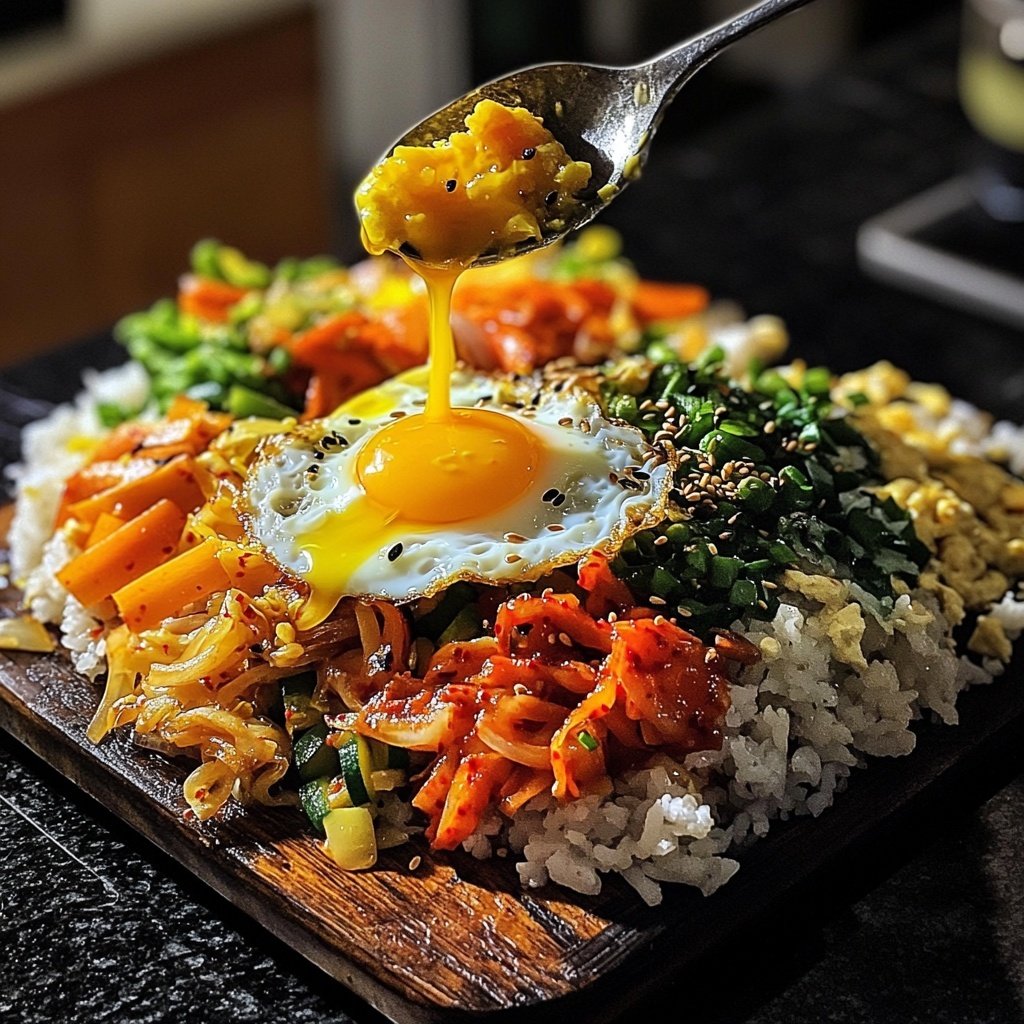
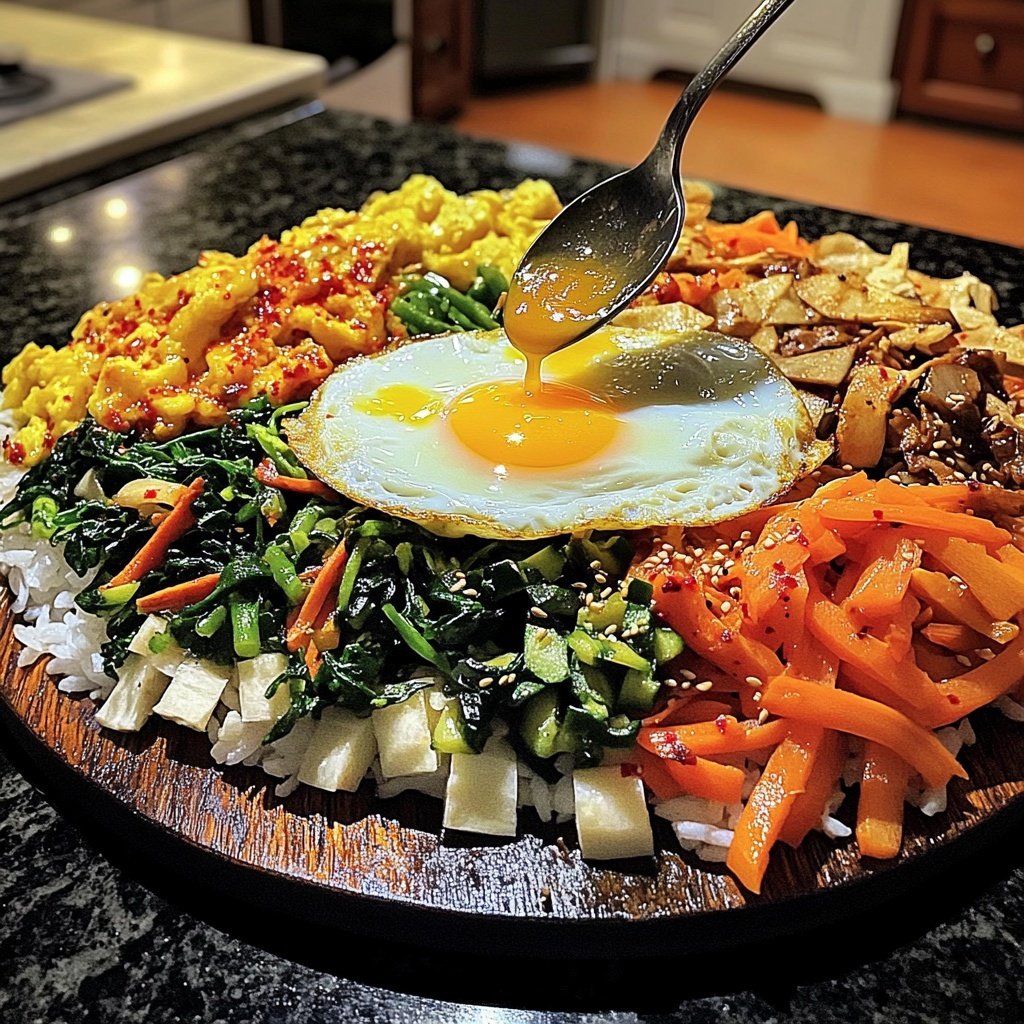
Korean Bibimbap is a vibrant and nutritious dish, featuring a mix of vegetables, rice, and a savory sauce, all topped with a perfectly cooked egg.
Korean Bibimbap is a traditional Korean dish that is both colorful and delicious. Originating from Korea, it consists of a variety of sautéed and seasoned vegetables, rice, and often includes meat and a fried egg, all mixed together with gochujang (Korean chili paste) for a delightful kick.
Why You'll Love This Recipe
- A nutritious and satisfying meal in a bowl
- Endless variations to suit your taste preferences
- Perfectly balanced flavors with a bit of heat
The History of Bibimbap
Bibimbap, which translates to 'mixed rice' in Korean, has a rich history that dates back to the 16th century. Originally a farmer's dish, it was a convenient way to use up leftover ingredients. The vibrant colors and flavors reflect the Korean philosophy of balance and harmony. Each ingredient has its own significance, contributing to the overall health benefits of the meal.
Traditionally, bibimbap was served as a simple meal but has evolved into a popular dish found in restaurants worldwide. The dish showcases the beauty of Korean cuisine, emphasizing fresh vegetables and a variety of textures. Its flexibility allows for seasonal adaptations, making it a staple for both home cooks and chefs alike.
Nutritional Benefits
Korean Bibimbap is not just delicious; it's also packed with nutrients. The assortment of vegetables provides a wealth of vitamins and minerals, while the rice serves as an excellent source of carbohydrates for energy. The addition of eggs enhances the protein content, making this dish a balanced meal option.
Moreover, the use of gochujang introduces fermentation benefits, which can aid digestion and boost metabolism. By incorporating a variety of vegetables, you can enjoy a range of antioxidants that promote overall health. Bibimbap is a perfect choice for those looking to eat a nourishing and satisfying meal without compromising on flavor.
Customization Options
One of the best aspects of bibimbap is its versatility. While the recipe features specific ingredients, you can easily customize it to suit your taste or dietary needs. For instance, if you're vegetarian, you can skip the egg and load up on more veggies. If you prefer a meatier option, adding sliced beef or chicken is a popular choice.
You can also adjust the level of spiciness by varying the amount of gochujang you use. For a milder version, mix it with a bit of sesame oil or serve it on the side. This adaptability makes bibimbap a favorite among families, as everyone can create a bowl that reflects their personal preferences.
Ingredients
Base Ingredients
- 2 cups cooked rice (preferably short grain)
- 4 eggs
- 1 cup spinach, blanched
- 1 cup carrots, julienned
- 1 cup zucchini, julienned
- 1 cup bean sprouts
- 1 cup shiitake mushrooms, sliced
- 4 tablespoons gochujang
- 2 tablespoons sesame oil
- 1 tablespoon soy sauce
- Sesame seeds for garnish
- Green onions, chopped for garnish
Feel free to customize the vegetables and protein to your liking.
Instructions
Prepare the Vegetables
In a pan, sauté the carrots, zucchini, and shiitake mushrooms separately in a bit of sesame oil until tender. Set aside.
Cook the Eggs
Fry the eggs sunny-side up in the same pan until the whites are set but the yolks are still runny.
Assemble the Bibimbap
In a bowl, place a serving of rice. Arrange the sautéed vegetables, blanched spinach, and bean sprouts on top. Add the fried egg in the center.
Add Sauce and Garnish
Drizzle gochujang and sesame oil over the top. Sprinkle with sesame seeds and green onions. Mix everything together before eating.
Enjoy your homemade Korean Bibimbap!
Pro Tips
- Feel free to add protein such as beef, chicken, or tofu for a heartier meal.
Tips for Perfecting Your Bibimbap
To achieve the best flavor and texture in your bibimbap, always use freshly cooked rice. Short-grain rice is ideal for this dish because it sticks together, making it easier to mix with the other ingredients. You can also prepare the rice a day in advance and refrigerate it, reheating it just before assembly for a quick meal.
When sautéing the vegetables, ensure you cook them separately to preserve their distinct flavors and colors. This method not only enhances presentation but also allows you to control the cooking time for each vegetable, ensuring they remain tender yet crisp.
Serving Suggestions
Bibimbap is traditionally served in a bowl, but you can also present it on a hot stone bowl known as dolsot bibimbap. This method gives the rice a delightful crispy texture at the bottom. If using a stone bowl, preheat it before adding the rice to achieve that perfect crust.
For a complete Korean dining experience, serve bibimbap with a side of kimchi and pickled vegetables. The tangy flavors complement the dish beautifully and add an extra layer of authenticity to your meal. Don't forget to have some extra gochujang on hand for those who enjoy a little extra spice!
Questions About Recipes
→ Can I make Bibimbap vegetarian?
Absolutely! Just skip the meat and load up on more vegetables.
→ What kind of rice should I use?
Short grain rice is traditional, but you can use jasmine or any rice you prefer.
→ Can I prepare the ingredients ahead of time?
Yes, you can prepare the vegetables and rice in advance and assemble when ready to eat.
→ Is Bibimbap served hot or cold?
It's typically served hot, but you can enjoy it at room temperature as well.
Korean Bibimbap
Created by: Blythe Rowland
Recipe Type: World Planning
Skill Level: Intermediate
Final Quantity: 4 servings
What You'll Need
Base Ingredients
- 2 cups cooked rice (preferably short grain)
- 4 eggs
- 1 cup spinach, blanched
- 1 cup carrots, julienned
- 1 cup zucchini, julienned
- 1 cup bean sprouts
- 1 cup shiitake mushrooms, sliced
- 4 tablespoons gochujang
- 2 tablespoons sesame oil
- 1 tablespoon soy sauce
- Sesame seeds for garnish
- Green onions, chopped for garnish
How-To Steps
In a pan, sauté the carrots, zucchini, and shiitake mushrooms separately in a bit of sesame oil until tender. Set aside.
Fry the eggs sunny-side up in the same pan until the whites are set but the yolks are still runny.
In a bowl, place a serving of rice. Arrange the sautéed vegetables, blanched spinach, and bean sprouts on top. Add the fried egg in the center.
Drizzle gochujang and sesame oil over the top. Sprinkle with sesame seeds and green onions. Mix everything together before eating.
Extra Tips
- Feel free to add protein such as beef, chicken, or tofu for a heartier meal.
Nutritional Breakdown (Per Serving)
- Calories: 550 kcal
- Total Fat: 22g
- Saturated Fat: 5g
- Cholesterol: 210mg
- Sodium: 800mg
- Total Carbohydrates: 70g
- Dietary Fiber: 5g
- Sugars: 4g
- Protein: 18g