Healthy Dinner Vegetable Stir Fry
Highlighted under: Light Planning
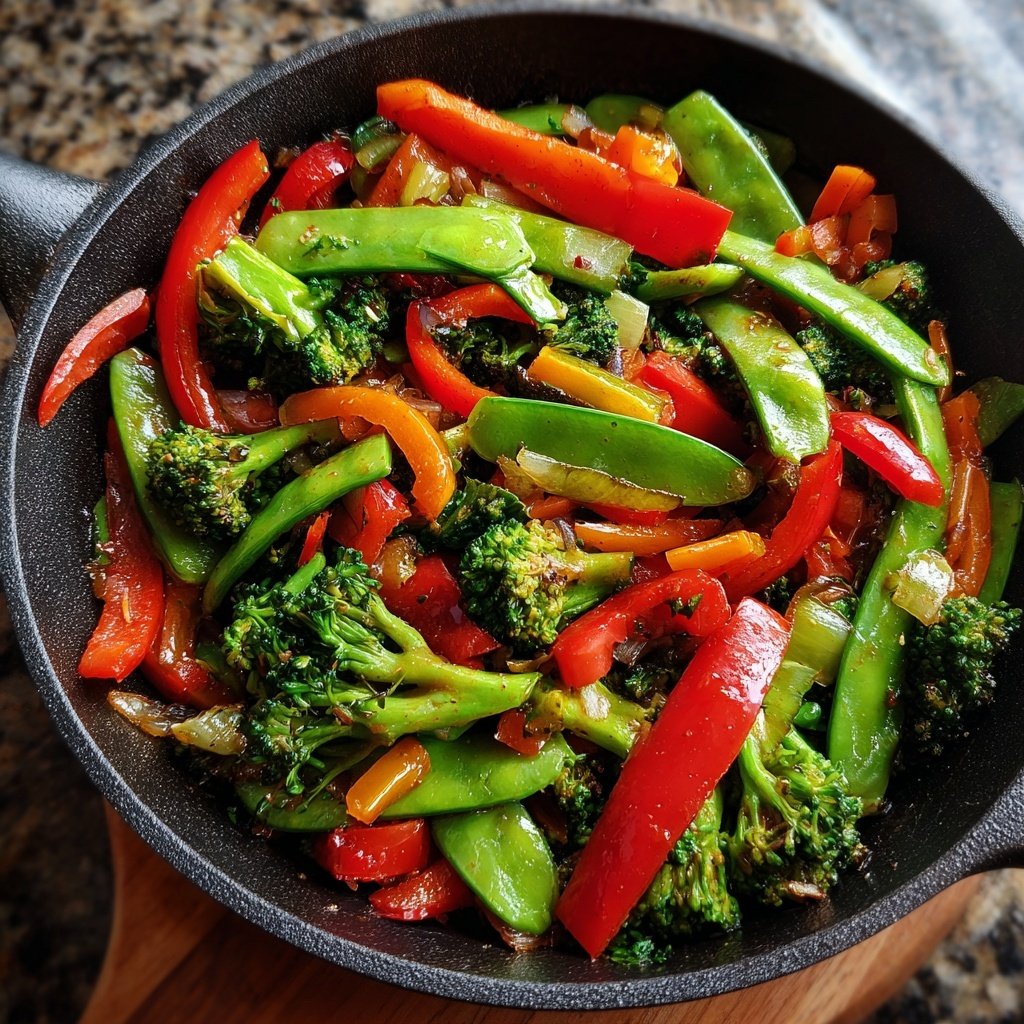
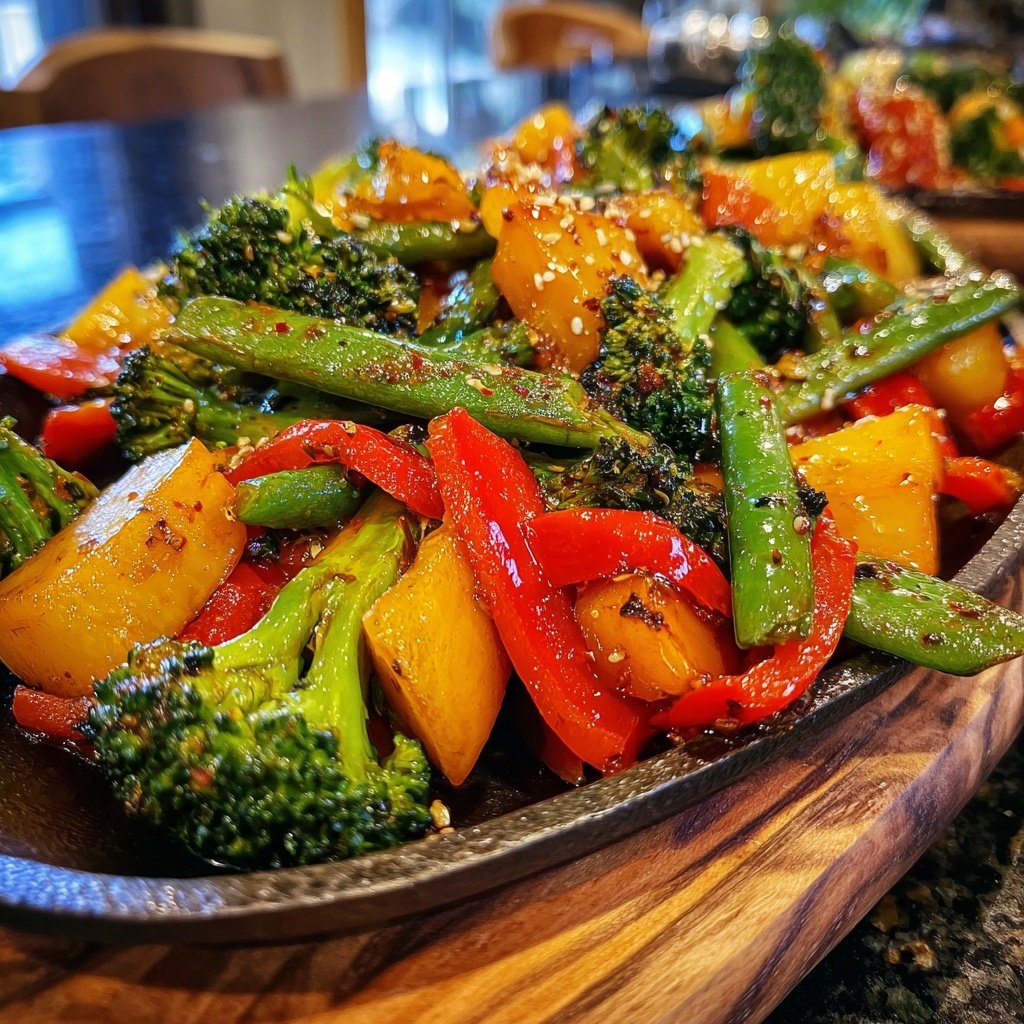
I love whipping up a Healthy Dinner Vegetable Stir Fry after a long day. It's quick, colorful, and packed with nutrients, making it the perfect meal for busy evenings. I often experiment with various vegetables based on what’s in season or available in my fridge. The key is to keep the vegetables crisp and vibrant while allowing the flavors to meld beautifully with a simple yet flavorful sauce. Serve it over rice or quinoa for a satisfying dish that never feels heavy.
Creating a perfect stir fry is an art I’ve come to master over time. I rely on high heat and a light touch to keep the vibrant colors and crunch of each vegetable intact. One of my favorite tips is to prep all ingredients beforehand to ensure everything cooks evenly and quickly. This technique also helps me focus on enjoying the process rather than scrambling around in the kitchen.
I've found that using a combination of soy sauce, garlic, and ginger as the base for the stir fry sauce elevates the dish significantly. I love to finish with a sprinkle of sesame seeds and sliced green onions to add freshness. The result is a dish that is both satisfying and guilt-free, perfect for weeknight dinners!
Why You Will Love This Recipe
- Loaded with vibrant, nutrient-rich vegetables
- Quick and easy to prepare, perfect for busy weeknights
- Customizable with your favorite sauces and proteins
Choosing the Right Vegetables
When making this Healthy Dinner Vegetable Stir Fry, selecting the right vegetables is key to maximizing flavor and nutrition. I recommend using seasonal veggies for the best taste and texture. For instance, swapping in asparagus or bok choy during spring can add a different crunch. If you have leftovers or see other colorful options at the market, don’t hesitate to get creative—vegetables like mushrooms or baby corn can enhance the stir fry by adding depth and variety.
Be mindful of cooking times as different vegetables have varying textures and water contents. Tender vegetables like zucchini will cook much faster than firmer ones like carrots. To ensure everything retains its crunch, always add the vegetables that take longest to cook first to the pan; this allows each ingredient to reach the ideal tenderness without becoming mushy.
Perfecting Your Sauce
The sauce is what brings your vegetable stir fry to life! The combination of soy sauce, sesame oil, garlic, and ginger not only adds a umami flavor but also helps to enhance the natural sweetness of the vegetables. If you prefer a spicier kick, consider adding a splash of sriracha or chili flakes to the sauce. Remember, the balance of saltiness from the soy sauce and the rich nuttiness from sesame oil is crucial; too much of either can overwhelm your dish.
If a thicker sauce is your preference, using cornstarch is a smart move. Mix it with water before adding it to the skillet to prevent clumping, allowing for a smooth and glossy finish to your stir fry. After stirring in your sauce, keep an eye on the pan for about a minute—just long enough for the sauce to thicken and coat the vegetables beautifully without overcooking them.
Serving Suggestions and Variations
Serving your stir fry over rice or quinoa is a fantastic way to create a complete meal. If you’re seeking to reduce carbs, consider alternatives like cauliflower rice or even a bed of leafy greens for a lighter option. For a protein boost, adding grilled chicken, tofu, or shrimp can make the dish more filling, catering to various dietary preferences and needs.
You can also play with flavor profiles in this stir fry. Swap soy sauce for tamari for a gluten-free version, or introduce different sauces like teriyaki for a sweet twist. Fresh herbs like cilantro or basil can elevate the dish further. If you want to make it a meal prep favorite, store the cooked stir fry in the refrigerator for up to three days—just reheat on the stovetop for the best texture.
Ingredients
Gather the following ingredients to make your healthy dinner stir fry:
Vegetables
- 1 cup bell peppers, sliced
- 1 cup broccoli florets
- 1 cup snap peas
- 1 cup carrots, julienned
- 1 cup zucchini, sliced
Sauce
- 3 tablespoons soy sauce
- 2 tablespoons sesame oil
- 2 cloves garlic, minced
- 1 tablespoon fresh ginger, grated
- 1 tablespoon cornstarch mixed with 2 tablespoons water (optional for thickening)
For Serving
- Cooked rice or quinoa
- Sesame seeds for garnish
- Sliced green onions for garnish
Instructions
Follow these simple steps to prepare your stir fry:
Prepare the Vegetables
Wash and chop all the vegetables into bite-sized pieces. Having everything ready makes the cooking process seamless.
Heat the Pan
In a large skillet or wok, heat sesame oil over medium-high heat until it starts to shimmer.
Stir Fry the Veggies
Add the carrots and bell peppers first, stir frying for about 2 minutes. Then add the broccoli, snap peas, and zucchini, cooking for an additional 3–4 minutes until they're vibrant and tender-crisp.
Add the Sauce
Stir in the garlic and ginger, followed by the soy sauce. If using, add the cornstarch and water mixture to thicken the sauce. Cook for another minute, making sure vegetables are well coated.
Serve
Remove from heat, garnish with sesame seeds and green onions. Serve hot over rice or quinoa.
Pro Tips
- Feel free to swap in your favorite vegetables or add protein like tofu or chicken for a heartier meal. Adjust seasoning according to your preference!
Storage Tips
To preserve the freshness of your vegetable stir fry, allow it to cool completely before transferring it to an airtight container. Proper storage can keep your meal viable for about three days in the fridge, retaining most of the veggies' crunch and flavor. If you make a larger batch, you can also freeze the stir fry in portions. Just be sure to leave out any garnishes, like green onions or sesame seeds, which are best added just before serving.
When reheating frozen stir fry, it's best to allow it to thaw overnight in the fridge for even heating. Then, sauté it in your pan for about 4-5 minutes over medium heat, just until warmed through. This method helps to maintain the texture of the vegetables without getting soggy.
Scaling Down or Up
This Healthy Dinner Vegetable Stir Fry is inherently flexible, allowing for easy adjustments whether you're cooking for one or a larger group. For scaling down, consider halving the ingredient amounts, which should still result in a satisfying and robust meal. If you find yourself wanting leftovers or preparing for a family dinner, simply multiply the ingredient quantities while keeping an eye on your cooking time. You may need to stir fry in batches to avoid overcrowding the pan, ensuring even cooking.
Remember, when increasing your vegetable amount, it's advisable to also increase your sauce proportionally to maintain flavor consistency. Just enhance by adding spoonfuls at a time until you achieve the taste you desire—experiment with ratios until it feels just right for your palate!
Questions About Recipes
→ Can I use frozen vegetables?
Yes, frozen vegetables can be a convenient option! Just make sure to thaw and drain them before stir frying.
→ How do I prevent the vegetables from getting soggy?
Cook on high heat and avoid overcrowding the pan. Stir frying in batches can help maintain great texture.
→ Is this recipe gluten-free?
To make it gluten-free, use tamari or a gluten-free soy sauce in place of regular soy sauce.
→ Can I add protein to this stir fry?
Absolutely! You can add tofu, chicken, shrimp, or beef for extra protein. Just make sure to cook them before adding the vegetables.
Healthy Dinner Vegetable Stir Fry
Created by: Blythe Rowland
Recipe Type: Light Planning
Skill Level: Beginner
Final Quantity: Serves 4
What You'll Need
Vegetables
- 1 cup bell peppers, sliced
- 1 cup broccoli florets
- 1 cup snap peas
- 1 cup carrots, julienned
- 1 cup zucchini, sliced
Sauce
- 3 tablespoons soy sauce
- 2 tablespoons sesame oil
- 2 cloves garlic, minced
- 1 tablespoon fresh ginger, grated
- 1 tablespoon cornstarch mixed with 2 tablespoons water (optional for thickening)
For Serving
- Cooked rice or quinoa
- Sesame seeds for garnish
- Sliced green onions for garnish
How-To Steps
Wash and chop all the vegetables into bite-sized pieces. Having everything ready makes the cooking process seamless.
In a large skillet or wok, heat sesame oil over medium-high heat until it starts to shimmer.
Add the carrots and bell peppers first, stir frying for about 2 minutes. Then add the broccoli, snap peas, and zucchini, cooking for an additional 3–4 minutes until they're vibrant and tender-crisp.
Stir in the garlic and ginger, followed by the soy sauce. If using, add the cornstarch and water mixture to thicken the sauce. Cook for another minute, making sure vegetables are well coated.
Remove from heat, garnish with sesame seeds and green onions. Serve hot over rice or quinoa.
Extra Tips
- Feel free to swap in your favorite vegetables or add protein like tofu or chicken for a heartier meal. Adjust seasoning according to your preference!
Nutritional Breakdown (Per Serving)
- Calories: 250 kcal
- Total Fat: 12g
- Saturated Fat: 2g
- Cholesterol: 0mg
- Sodium: 580mg
- Total Carbohydrates: 30g
- Dietary Fiber: 6g
- Sugars: 5g
- Protein: 5g